
Taking a Bicycle to Costa Rica: Carton, Case or Local Replacement?
Dan Chambers · November 27, 2026
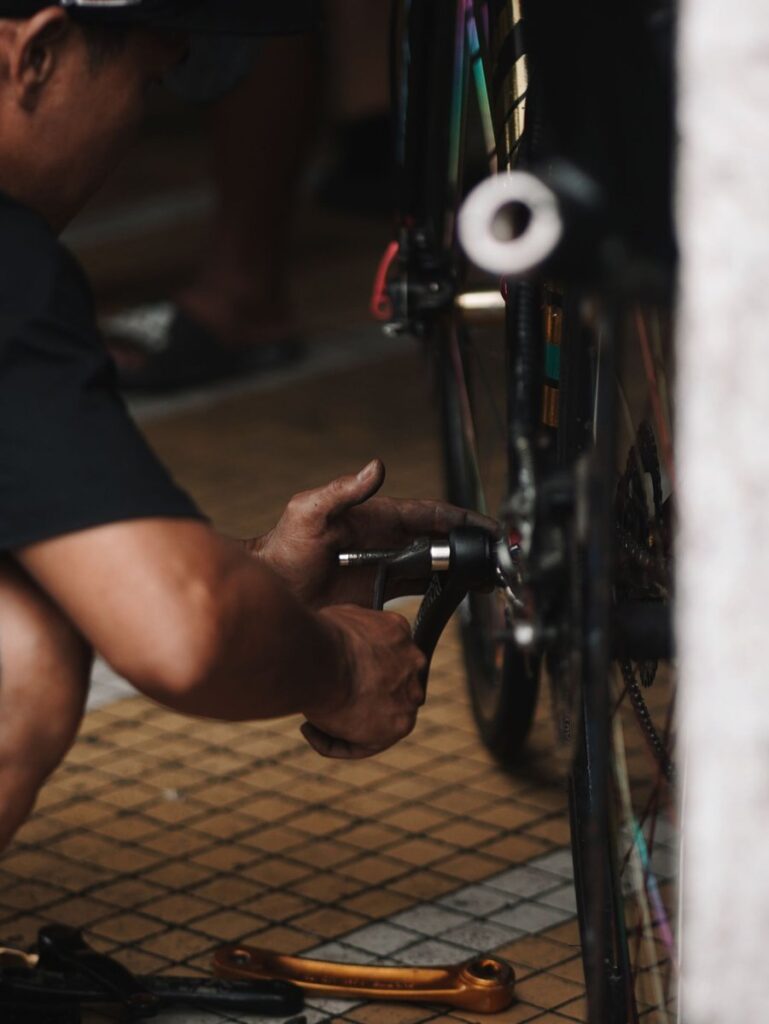
For a conventional bicycle moving to Costa Rica, ask for the size and weight of the prepared bicycle carton or case. The wheel size on the tire and the frame size on the receipt describe the bicycle you ride. Neither tells a freight company how much space it will take after a mechanic removes parts and protects the frame. Start with a bicycle shop, decide what else belongs in the shipment, and compare the complete cost of taking the bike with a genuinely equivalent replacement.
Identify the Bicycle You Are Pricing
Record the make, model, frame size, approximate year, wheel type and serial number if available. Photograph the complete bike from both sides, then photograph the components that most affect its value. A customized wheelset, fitted saddle or particular gearing can make a bike expensive to reproduce even when a generic replacement looks inexpensive. Measure your saddle position or ask your fitter to note the settings you want to recover after assembly.
Separate the bicycle from everything in its orbit. List the rear rack, panniers, lights, pump, computer, pedals, spare wheels, lock, repair stand and cycling shoes if they will travel. Some accessories may fit in a separate household carton. Some are more useful with you. Ask specifically about any batteries, cartridges, aerosols or maintenance liquids before packing them. An electric bicycle or a loose drive battery requires its own acceptance discussion; do not describe either as an ordinary pedal bicycle.
Give the Bicycle Shop a Freight Brief
Tell the mechanic the bicycle will be part of an international move and explain the proposed transport method. Ask for an itemized preparation price, the packing method, the expected outside dimensions and the point at which a final packed weight will be available. If a used bike box is being considered, have the packer assess its condition and fit. A box that originally housed a new bike of a different frame geometry can leave the wrong parts exposed.
Ask who protects the fork, shifting components, wheel surfaces and protruding fittings. Discuss the specific frame material and any parts that require special care. The FedEx guide to packing a bicycle illustrates why removable accessories and exposed components matter. Use it to prepare questions for your bike shop and freight provider. A parcel carrier’s packaging example does not establish acceptance or coverage for your ocean shipment.
Compare a Case with a One-Way Carton
A reusable hard case can be attractive if you travel with your bicycle regularly. Find out whether it accepts your particular bike and whether the destination home has space to store the empty case. Include its own weight and protruding wheels or handles. A shop-prepared carton may make more sense for a one-way move, particularly if you would otherwise pay to move a large empty case again. Compare both options using real package dimensions.
For example, a carton measuring 1.45 by 0.82 by 0.25 meters occupies about 0.30 cubic meters. A case measuring 1.32 by 0.90 by 0.38 meters occupies about 0.45 cubic meters. Those figures describe two imaginary packages and show why the shorter package can consume more space. They do not predict the freight invoice. Ask for the marginal cost of each option on your actual shipment, including collection from the bicycle shop if that is a separate stop.
Keep the Small Parts Accountable
Have the packer produce a parts list as the bike comes apart. Record whether pedals travel in the bike case or in a labeled accessories carton. Identify which axle parts belong to which wheel, and keep the shop’s instructions with your digital records. If you have a custom fit, ask for the setting references your receiving mechanic will need. A close photograph of a position mark can be more useful than an attempt to describe the angle from memory.
Agree on custody before paying for preparation. A bike shop may be happy to box a bike without offering to store it or load a freight truck. Give both parties the collection reference, contact name and expected package count. Ask which party is responsible for communicating final measurements. If the carton ends up wider than expected, get the revised information to the shipping coordinator while there is still time to reconsider the case or change the pickup arrangements.
Make the Arrival Part of the Decision
Find a destination mechanic who can work on the bicycle you own. Ask about availability for assembly, any special tools needed and whether parts for your braking and shifting systems are readily obtainable. A familiar brand name alone does not guarantee that a shop has the correct hanger or compatible fittings. For an unusual frame or touring bike, send a photograph and a parts list before you base your move on immediate use.
At receipt, record the carton condition and confirm that the accessory package arrived. Allow space and time for deliberate unpacking. Keep the packing and identification photographs until the bike is complete and the mechanic has checked it for use. If the bike is essential transportation at destination, plan how you will get around before collection, freight, delivery and assembly are all finished. Those are four different dates, and only the last one puts you back on the road.
A strong comparison gives you three totals: what it takes to get this bicycle ride-ready in Costa Rica, what a comparable bicycle there would cost ready to ride, and what you could realistically recover by selling yours before departure. Include the shop work on both ends, pickup and the proposed shared-container service when applicable. That lets you keep a well-loved bicycle for a reason you understand rather than on the strength of a tempting base freight figure.