
Moving an Upright Piano to Costa Rica: What a Specialist Needs to Quote
Dan Chambers · November 27, 2026
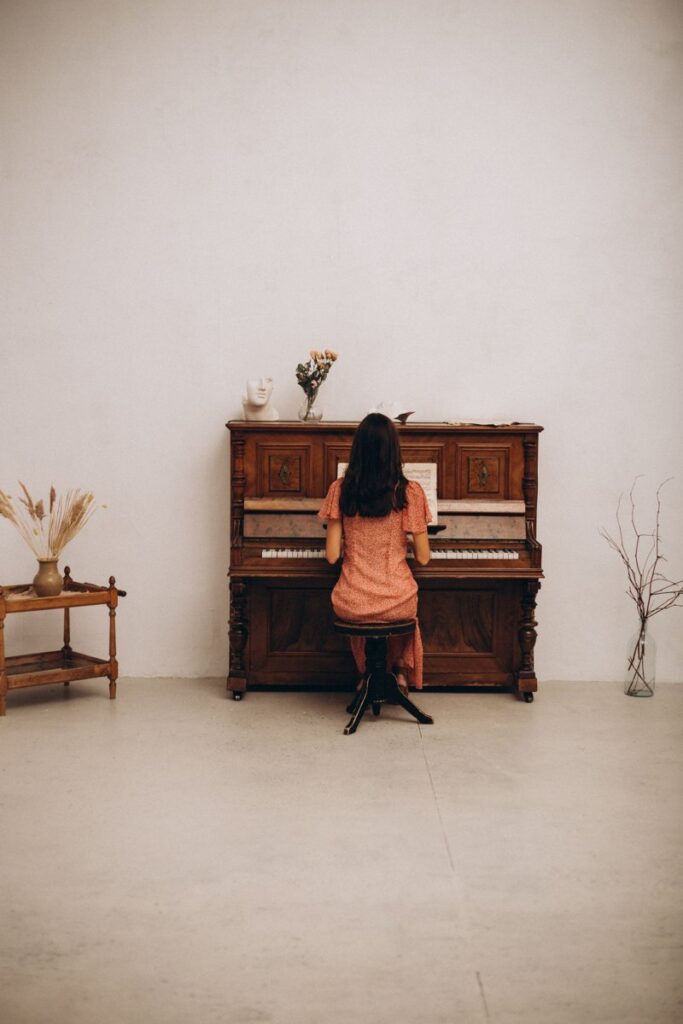
A useful quote for moving an upright piano to Costa Rica starts with a specialist survey of the instrument and both buildings. Identify the exact piano, photograph every change of level and ask who handles it at each transfer. “One upright, ground floor” leaves out the porch steps, the turn in the entrance and the distance to a truck. Those details can determine whether the work described in one proposal is even comparable with the work in another.
Establish Which Instrument You Own
Find the manufacturer’s name, model and serial number using the maker’s guidance or the help of a piano technician. Record its maximum width, height and depth, including projections, without moving the piano yourself to reach an awkward spot. Use a verified specification sheet for weight when available and mark an unknown weight honestly. A decorative cabinet or unusual model can make a generic upright estimate unreliable. If you cannot safely reach the identifying label, send the specialist photographs and explain the limitation.
Confirm whether the instrument is acoustic, digital or hybrid. A digital piano in a furniture-style case may look like an acoustic upright in a photograph, but the construction and service needs can differ. List its bench, music storage, detachable stand, cables or other accessories as separate entries. A matching bench may have sentimental value quite apart from its replacement cost. State whether the origin specialist is expected to prepare it or the household packer will handle it.
Photograph the Journey in Both Directions
Begin at the piano’s present position and take photographs facing each change in direction. Record the clear opening at doorways, the length and width of landings and any step between the interior and sidewalk. Explain whether an apparent ramp is permanent and whether access to it requires permission. A photograph taken from the street can hide a threshold on the far side of a gate. Include both views where the route changes abruptly.
Ask your contact in Costa Rica for the same sequence, starting at the street and ending at the planned position. At a condominium, ask management about approved entry points, lift dimensions, restrictions and appointment procedures. Where a lift would be involved, give the information to the piano specialist for assessment. A large-looking lift is not evidence that its opening, capacity or approach suits the assignment. The specialist should determine the handling method and crew.
Compare Who Handles Each Transfer
Draw a line for every time the piano changes hands: home to specialist, specialist to packer, packed unit to freight handler, destination handler to specialist and specialist to final room. Some companies may cover several of these steps. Write a name or role beside each line and ask what document records the transfer. An estimate described as door to door may still use different parties for ordinary cargo and the specialist work inside a building.
For example, one proposal may include delivery of the protected instrument to an accessible receiving point. A second may add uncrating, specialist placement and removal of the empty crate. The two totals answer different questions. Ask the first provider to identify where its responsibility ends and obtain a separate placement estimate if necessary. Then compare both routes from the same starting point to the same spot in the new home. Include any survey charge in the column where it applies.
Discuss the Crate and the Condition Record
Ask the specialist to describe the proposed protection, who builds it, when final packed dimensions will be known and what the receiving team needs to handle it. Send the information to the freight coordinator before space is booked. A quote based on bare cabinet dimensions can understate the protected unit. If multiple companies are involved, ask the destination specialist to review the proposed arrival format. A crate suitable for one stage still has to pass through the next one.
Photograph the cabinet, legs or feet, keys and existing blemishes with the specialist present if practical. Ask a technician whether a written condition assessment is worthwhile for this instrument. Keep playability, cosmetic condition and monetary value in separate records. An old finish mark, a sticking key and a replacement quotation communicate different information. Ask the coverage provider how the relevant terms apply to the piano, specialist packing and internal issues without obvious external damage. Record the response in writing.
Choose the Destination Position Before Delivery
Mark the footprint in the proposed room and leave space for the bench and the player. Check whether doors and drawers still open and whether people can pass behind someone playing. If you rent the property, establish any placement restrictions with the owner. Ask a piano technician familiar with local conditions about a suitable position and post-move care. Keep the technician’s assessment separate from the mover’s agreement to place the piano in a particular room.
Imagine a family moving a piano from a single-story home into a house outside San José. Their initial description says both homes are at ground level. The destination photos show six exterior steps between the parking area and the entrance. Sending that photograph before booking gives the receiving specialist time to assess the actual task and price it. Discovering it with the instrument already at the gate leaves the family choosing under pressure, with fewer practical options.
Finally, ask a local dealer or technician what it would take to obtain a comparable playable piano in Costa Rica. Compare that alternative with the entire move, including preparation, freight, specialist placement and the technician’s recommended follow-up. Keep family significance as its own consideration. If the instrument belongs in the new home because of who played it, that is a valid reason to move it. Use the household shipping inquiry to communicate that decision with the survey information the professionals need to carry it out.