
Shipping a Keyless Car to Costa Rica: Plan the Handover Before Pickup
Dan Chambers · November 27, 2026
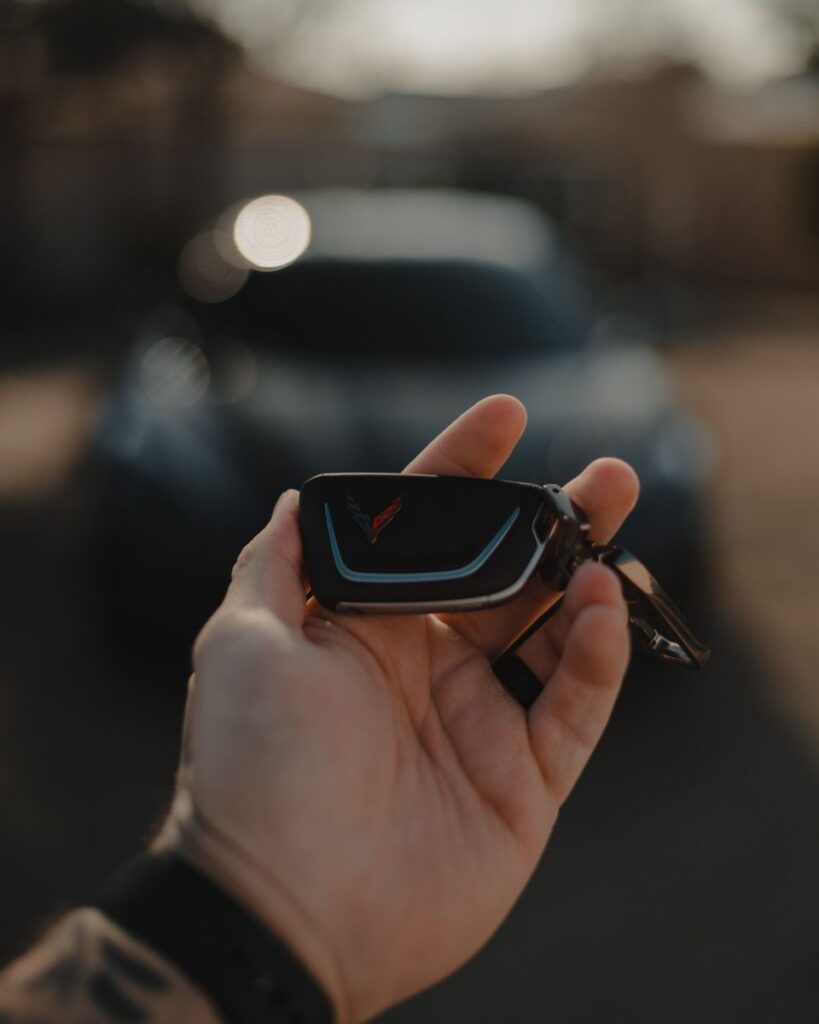
If your vehicle starts with a phone or a key fob, confirm exactly what physical credential the carrier needs before a truck arrives. The owner, pickup driver, terminal handler and receiving driver may each have a different job. A vehicle that starts when you stand beside it can become immobile after you walk away with your phone. Treat key custody as a separate part of shipping a car to Costa Rica, and document what goes with the vehicle from one handover to the next.
Find Out What Actually Operates the Car
Use the owner’s manual for your exact model and year to identify its ordinary keys and authorized access methods. Distinguish an electronic fob from a removable mechanical key, a key card and a phone-based credential. Do not assume that an item used to open a door also allows the car to start. If two fobs appear identical, give them simple references in your inventory and check which physical item is being offered for transport.
Discuss the proposed credential with the accepting carrier. Ask whether the car must be operable without the owner, a mobile connection or a personally controlled device at each handling stage. If your proposed method depends on someone having your phone, choose another accepted arrangement before collection. Keep personal account passwords, one-time codes and login information private. If the manufacturer offers a supported access option, check its limitations and ask whether the carrier will accept it on this route.
Test the Handover Before Pickup Day
Arrange a controlled handover rehearsal with another authorized driver at your own vehicle. Follow the manufacturer’s normal operating procedure and confirm that the person can access and start the vehicle with the exact credential designated for shipping. Keep your own everyday credentials outside the test area as the manual directs, since their presence can make a test misleading. End the rehearsal by confirming which credential the driver actually used and returning all keys to their normal custody.
This is also the time to discover an intermittent fob or a worn button. Ask an authorized service provider about any fault before pickup, and test again after service. Do not promise the dispatcher that a spare works because it worked last year. If a working replacement is on order, disclose the uncertainty and agree how the booking will be handled. A small part can determine whether an otherwise roadworthy car can be accepted as operable.
Write a Short Custody Record
Put the vehicle reference, pickup location, driver or company, date, time and credential count on a single receipt. Describe the items in ordinary terms, such as “one black manufacturer fob with removable key inserted, no personal key ring.” Leave house keys, garage remotes and unrelated tags off the ring. Record separately who retains the second fob and how the destination recipient will receive any key that travels by a separately approved arrangement.
Ask where each handover is recorded. The person collecting the vehicle from a driveway may issue one receipt while a terminal or destination provider uses another system. You do not need everyone’s internal paperwork in advance, but you do need a contact who can trace the item at the next transfer. Keep a photo of the handed-over items and the signed receipt in a private folder. Avoid publishing identifying numbers, home addresses or access details on the outside of a key pouch.
Choose the Right Permissions for the Trip
Some vehicles have a manufacturer-supported valet or restricted-driver function. Ask what that feature does on your actual car and what vehicle functions the carrier needs. A restriction suitable for restaurant parking might not suit loading, securing or moving the vehicle at a port. Obtain the operating requirements from the carrier and the feature explanation from the manufacturer. Have the owner agree the selected setup before the handover rather than asking a driver to change the vehicle’s security settings at collection.
Consider the owner’s personal information as well. Saved garage locations, paired devices and home addresses may remain in the car. Use the manual to review the options for your model, keeping any information the owner needs for normal restoration. Coordinate changes with the carrier so an owner action does not unexpectedly prevent approved movement during transport. If you normally use a fleet or employer-managed vehicle, obtain the managing party’s instructions before making changes to its access permissions.
Agree Who Can Receive and Operate It
Give the destination coordinator the name of the person authorized to receive the car and ask what proof that person should present. Decide whether the recipient is expected to operate the vehicle or just acknowledge receipt. If the owner will arrive later, make arrangements early enough for the other person to understand the accepted access method. A text stating that a relative can meet the driver is not a substitute for the provider’s actual release procedure.
Consider a common planning example. One partner delivers the vehicle in Florida with a physical fob while the other partner waits in Costa Rica with a phone previously paired to the car. At handover the receiving partner should still ask for the recorded fob, even if their own phone starts the car immediately. Successful operation can hide a missing credential. Compare the items with the origin record before signing off on the count, and note any difference while the receiving contact is available.
Build the key plan into the vehicle shipping request as a few clear lines. Identify the model and year, the credential available at origin, whether the vehicle has been checked with that credential, and the recipient’s role. Leave passwords and codes out of the request. Ask the provider to confirm acceptance and key custody in writing. That answer lets both ends of the move prepare for a routine exchange rather than troubleshooting a locked vehicle on a delivery appointment.