
Will the Delivery Truck Reach Your Costa Rica Home? A Photo Walkthrough
Dan Chambers · November 27, 2026
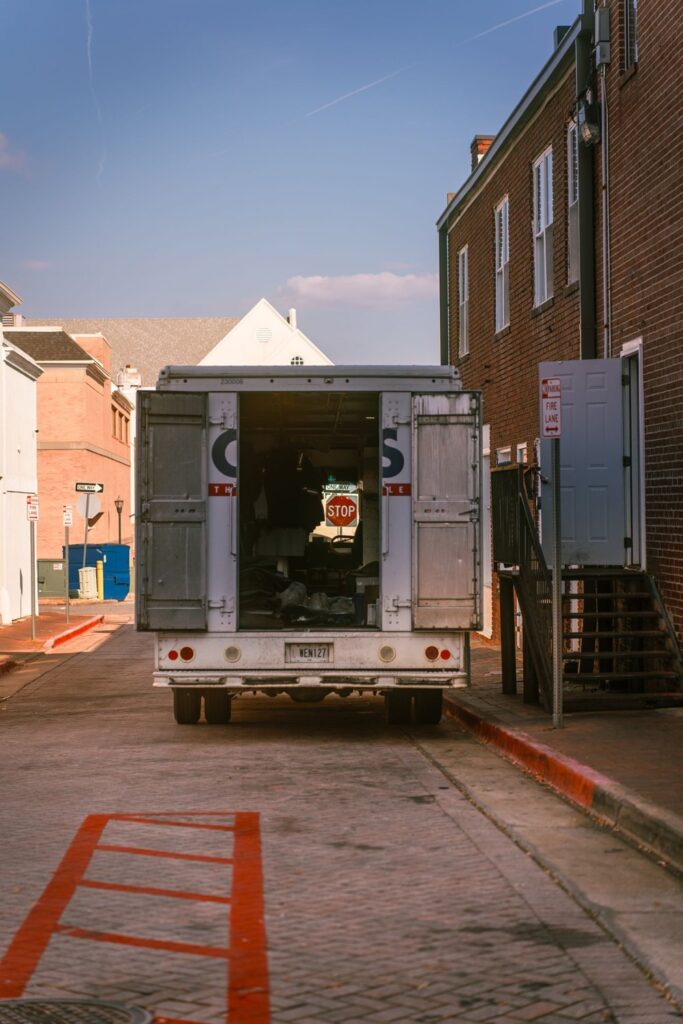
A map pin will get a driver close to your Costa Rica home. A short, ordered series of pictures can help the transport provider decide whether its proposed truck can reach a suitable unloading point. Photograph the public approach, the last turn, the place the truck could stand and the route from that point to the door. Explain what you know and ask the provider to decide vehicle suitability. A resident’s guess about a truck’s turning radius is a poor substitute for the driver’s assessment.
Capture the Constraint, Not Just the Scenery
Stand somewhere safe and show the bend together with the road before and after it. A photo of the gate alone gives little sense of how a long vehicle would line up with it. Where possible, provide an actual measurement between fixed points, identifying what you measured. Photograph overhead features from the ground and flag them for professional assessment. Never approach utilities or step into traffic for a better picture. Note any barrier, bridge or private road whose use requires permission from someone else.
A typical difficult site might have a wide main entrance followed by a sharp downhill turn to the house. A small passenger vehicle can drive down daily while a loaded truck may have nowhere to turn back. The useful question is where the freight can safely change to the next handling method. Could a carrier use an approved unloading area at the entrance? Is there a smaller vehicle and a person who can legally operate it there? Would weather affect the transfer surface? Ask for an answer and a price for the agreed method.
Send a Compact Field Note
Name the photos in travel order and write a sentence for each. End with the receiver’s contact, property access hours and the details that still need confirmation. If the street is being resurfaced, specify when your photographs were taken. Ask the receiver to update the picture if conditions change and avoid sharing a neighbor’s private driveway as a proposed turning area without permission. A good site note ends with a real place to unload, an agreed route for the goods and a way for the driver to flag a concern before committing to the last turn.
Photograph an Approach in the Order the Driver Will See It
Start at an identifiable public junction, then record each turn where a driver could reasonably go wrong. At the final approach, take one image facing the entrance and another looking back toward the road. Include landmarks that will still be visible when the vehicle arrives. Avoid sending a collection of uncaptioned close-ups that make a narrow bend look like an open driveway. Label each image with its direction and explain any seasonal changes you know about. The carrier needs to assess access and choose a safe vehicle or handover point. The photos are decision support for that conversation, not permission to drive through a route the driver considers unsuitable.
Test the Tightest Turn on the Route
Start with the longest rigid piece and trace its path from the vehicle to its final position. Note the space available before and after each turn, fixed railings, low lights and the swing of doors. A tape measurement straight across an opening does not capture the space needed to rotate a long item. A light cardboard outline can help you and the receiver understand the problem without attempting a risky lift. Share measurements and photographs with the people responsible for handling, who can decide what is practical. If an alternate entrance is proposed, verify permission to use it and check the route beyond it. A wide rear door is little help when it opens onto a narrow staircase.
Work Out the Transfer Between Vehicles and the Property
Ask the provider what type of vehicle is planned for final delivery, where it can stop and how the freight reaches the agreed receiving point. If a smaller truck is proposed, specify who provides it, who transfers the load and where responsibility changes hands. Get the scope in writing, including any waiting or second-trip arrangement. Confirm the plan with someone who knows the property and the approach road. A street can be accessible to a private car but unsuitable for the vehicle or unloading equipment in the quote. On the day, keep the agreed space open and give the crew a way to contact the receiver before entering a road with limited turning space.
Consider the Exposed Part of the Handover
Trace the section of the job that happens outside, even if the goods travel inside a covered vehicle. Identify where cartons would stand while a lift is occupied, a gate is opened or a count is checked. Ask whether that space is covered and who can approve a different staging point if conditions change. Do not count on stretch wrap alone to make a load waterproof. Ask the packer what protection is appropriate for the contents and how it will be removed without losing labels. If unloading must pause, establish who can make that decision and where the goods can safely remain. Record actual conditions at delivery when they are relevant to the condition of the packaging.
Give the Local Contact a Narrow, Useful Brief
Agree in advance what the person on site may decide and when they must call the owner. Being present to open a building, release a car or count packages does not automatically authorize accepting a new charge or changing a destination. Put the pickup reference, agreed task, contact numbers and escalation route on one page. Ask the provider whether it requires a particular authorization and how it should be supplied. Do not send keys, gate codes or identification in a broadly shared group message. After the handover, have the local contact send the signed record and a brief note about anything unexpected. That gives the owner the same facts as the people who were present.
Photograph the approach in the direction a vehicle will actually travel. Include the last safe place to turn around and the first place where two vehicles cannot pass. Caption each photo with the direction of travel. A beautiful photograph taken facing downhill can give the wrong impression about a tight uphill arrival.
For help with this shipment, review our delivery access planning or request a written shipping quote.