
Moving Flat-Pack Furniture to Costa Rica Without Losing the Parts
Dan Chambers · November 27, 2026
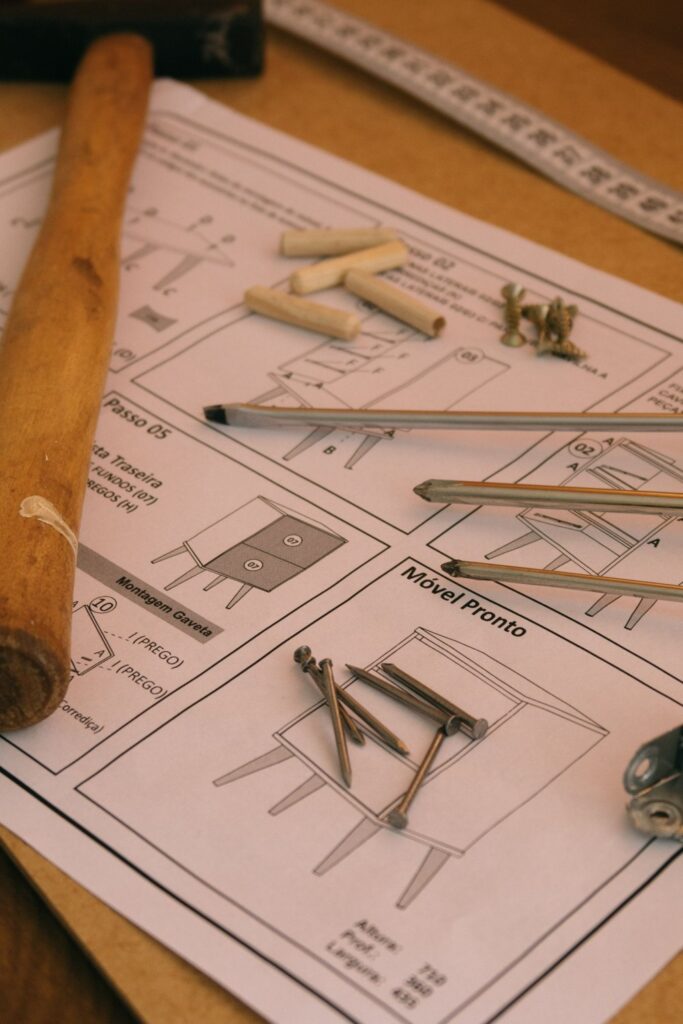
The best time to discover that a flat-pack cabinet needs two different hinge plates is while it still stands in your old home. Decide whether to ship it by inspecting the joints, the instructions and the condition of the board before dismantling. Some pieces tolerate another assembly well; others already have loose fixings or damaged edges. Compare the cost and effort of packing the parts with replacement at destination, particularly for an inexpensive piece that depends on a fitting you can no longer obtain.
Work Through One Cabinet as a Pilot
Empty the cabinet, photograph it assembled and identify the adjustment points on doors and shelves. Find the manufacturer’s instructions before removing anything. If the unit is fixed to a wall or requires skilled handling, ask an appropriate professional to remove it. Use the instructions to decide which assemblies can remain intact. Label a left side and a right side in terms of looking at the front of the finished piece. Two correctly labeled panels are quicker to install than a pair identified only as “long brown board.”
Make a parts map on one sheet. Draw the front, two sides and top. On the drawing, mark each shelf, hinge set, rail and door by an identifier you can also put on its wrapping. Bundle only pieces whose surfaces can safely contact the protection between them. If you build mixed bundles to save space, give each bundle its own list of contents. Ask the packer how the finished bundle will be protected from bending or edge impacts and how the receiver should open it.
Pack for the Person with the Screwdriver
Imagine building the cabinet in a room full of unopened cartons. You want the assembly instructions, tools and first hardware pouch before you need the decorative handles. Write the location of those items on the bundle record. Put spare commercially available fixings in a separately marked pouch if you choose to take them. Do not use a similar-looking fixing in a damaged joint without advice. When space opens up at destination, unpack the piece onto a suitable protected surface, check the map and account for all panels before starting assembly.
Make a Parts Record Before Disassembly
Photograph the assembled piece from a useful angle, then take a closer view of each joint as it comes apart. Bag fasteners by joint or assembly stage and mark the bag with the same identifier as the large piece. Keep metal hardware away from finished surfaces where it could press through a layer of wrapping. Decide where the bag will travel and record that location in the inventory. A note saying “hardware included” will do little for the person searching through forty cartons. Write “table T1, hardware pouch H1, inside carton 07.” During unpacking, check for the pouch before discarding protective materials. Keep any manufacturer’s assembly instructions accessible outside the shipment.
Protect the Surfaces You Will Later Need to Inspect
Look closely at the points where packing material, straps or another item could press against the surface. Photograph existing rub marks and describe them in neutral terms. Ask the packer how it will separate hard components from finished faces and prevent movement while the item travels. Mark which side must remain accessible for inspection. When opening the package, work where there is room to put removed materials down without stepping on them or dropping them onto the item. Compare the unpacked condition with the photographs before assembly or use creates new marks. If a concern arises, keep the relevant packaging and contact the party identified in the written instructions.
Treat Broad Panels as Individual Pieces
Two panels that look almost identical can have holes drilled on different sides. Give each a removable identifier in a location the manufacturer or packer considers safe for the finish. Photograph the edges as well as the faces. Note any corner that was already compressed before the move. Keep a simple drawing showing which face is inside once assembled. Ask how panels will be supported as a bundle and how loose fittings will be kept away from them. Include the packed bundle in the inventory at its final outside size. A neat stack on a carpeted floor can require appreciably more space once protective materials and handling clearances are added.
Pack One Trial Carton Before Buying Supplies in Bulk
Choose a representative set of items and ask the packer which carton and protection are appropriate. Pack the trial as it would travel, close it and record the contents, external dimensions and gross weight. Check that the contents do not shift under normal handling and that the box can be handled by the people and equipment expected at both ends. If it bulges, cannot close properly or needs a warning about stacking, change the plan before repeating the same problem across a roomful of cartons. Save a photo of the successful packing arrangement. It gives everyone preparing the rest of the shipment a practical standard they can reproduce.
Give Every Piece an Identifier That Survives a Change of Address
A box number is more dependable than a room name. People change their minds about where something belongs, and two rooms can both be called the office. Give each shipping unit a permanent identifier and record its destination in a separate field. Label two adjoining faces so one mark remains visible against a wall. If a carton goes inside a crate, record that relationship before closing the crate. At delivery, count the outer crate once and check its inner cartons when it is opened. Otherwise the receiving list can appear short even when everything has arrived. Test with three pieces before labeling the whole shipment. Ask someone who did not pack them to locate one specific item using only your list.
If two cabinets look identical, resist putting their screws together. Give each cabinet a letter and photograph the back panel before unscrewing it. Keep adjustable feet, shelf pins and hinge plates together for that cabinet. Include the tool needed for reassembly on the list of things to have available at the destination.
For help with this shipment, review our household goods shipping or request a written shipping quote.