
How to Inventory a Home Workshop Before Moving It to Costa Rica
Dan Chambers · November 27, 2026
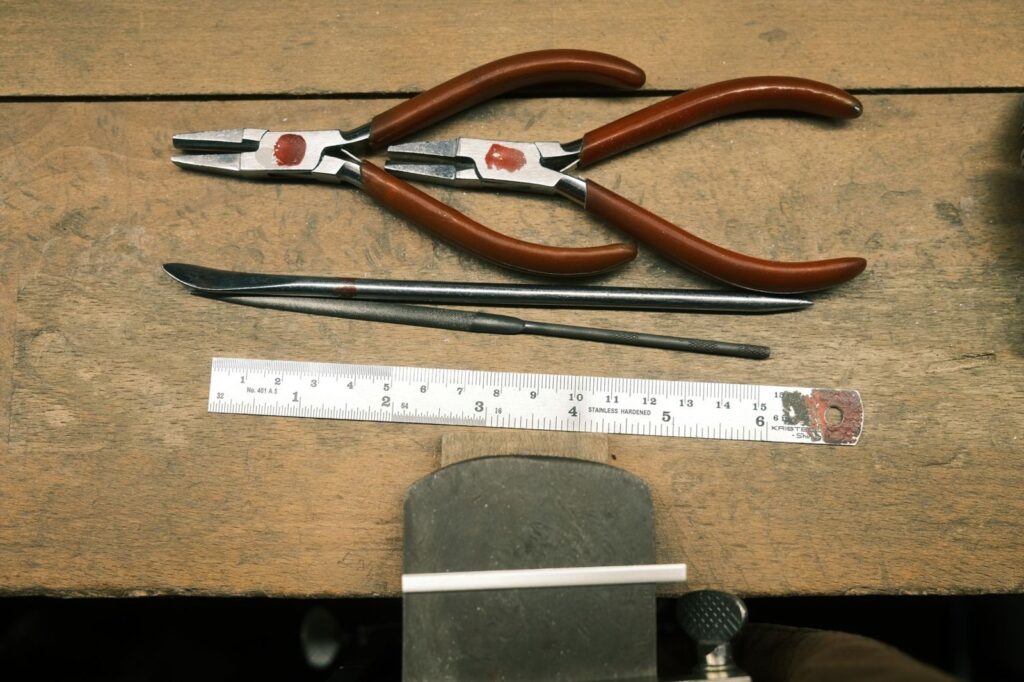
Start a workshop inventory with the equipment that would be hardest to identify, replace or move. A list reading “tools, six boxes” is useful for clearing a garage, but weak for estimating a shipment to Costa Rica. A bench-mounted machine, a chest of loose sockets and a set of battery tools present different packing and acceptance questions. Build a working inventory that separates the machine body, accessories and consumables before deciding which pieces will travel.
Turn a Workbench into Distinct Shipping Units
Imagine a bench drill with a removable vise, an assortment of bits and a stand. Give the drill one main identifier; link the stand and vise to it as separate physical pieces if they will travel apart. Do the same for sets that are only useful together. Record where the chuck key and relevant manual will be found. A broad photograph of the bench preserves context, while a close image of the label makes it easier to check compatibility or request professional guidance later.
Divide the workshop into equipment that can be handled as packed cartons, units that need professional handling and items that need an acceptance decision. Keep loose fluids or consumables out of any ordinary tool carton pending that decision. Ask who will disconnect fixed equipment and whether the building owner has requirements for removal. A quote to collect a machine at the loading point may say nothing about detaching it from a bench or getting it down a step.
Prioritize by the Work You Expect to Do
Pick a task you actually plan to perform in Costa Rica and list the minimum system it needs. That might include a tool body, compatible power arrangement, accessories and a consumable available locally. If a component is missing or unsuitable for the new workspace, the expensive body may not earn its place in the shipment. Ask the manufacturer or a qualified electrician about compatibility instead of treating an adapter as proof. Keep those usability questions separate from the carrier’s acceptance decision. Both need answers, but they come from different people.
Describe a Machine in Its Transport Configuration
Record the machine body and any removable stand, fence, table extension, guard or other accessory as a set. Take a photo with the parts attached and another showing the pieces as prepared for transport. Refer to the manufacturer’s instructions and a qualified handler before disconnecting or moving heavy equipment. A catalog weight may omit a fitted motor, base or attachment. Identify who can supply a reliable gross weight and whether lifting points or orientation instructions are documented. Keep manuals and parts lists accessible to the person receiving the equipment. That person may need them before an outer crate is opened or the machine can be moved into position.
Use the Identifier That Separates Similar-Looking Units
Photograph the model plate or manufacturer label clearly enough to read it later. In the inventory, distinguish model number, serial number and your own carton number. One identifies a product design, another a specific unit, and the third tells the receiver where to look. If a serial number is absent or unreadable, describe a genuine distinguishing feature and photograph it. Do not invent a replacement number that might later be mistaken for a manufacturer identifier. Store detailed serial records privately and share only the information each provider needs. At handover, compare identifiers against the same dated record instead of relying on appearance or the color of the packaging.
Make the Measurement Reproducible
Record the unit, measurement method and whether packaging was included. “About 20” can mean kilograms, pounds, an unpacked item or a carrier’s limit. If you use a household scale for planning, label the result as an estimate and check it against a known object before relying on it. Ask the carrier how and where final measurements are taken. For several similar pieces, measure one fully packed example, then check a heavier example to see how much they vary. Averages help build a budget but can hide an individual piece that needs different handling. Send both the total and the largest single-piece figures when discussing collection or delivery equipment.
Flag Power Sources and Consumables Before the Carrier Accepts the Load
Make a separate note of batteries, fuel-powered equipment, oils, aerosols and other components that may change acceptance or handling. Explain what is installed, what is loose and what the manufacturer calls the component. Ask the carrier to review the exact equipment and tell you in writing what it accepts on the proposed service. Avoid guessing that removing a battery, emptying a reservoir or putting an accessory in a different box automatically solves the issue. Do not undertake mechanical work you are not qualified to perform. Keep any written preparation instructions with the relevant item so the packer and the receiving party are working from the same decision.
Make a Parts Record Before Disassembly
Photograph the assembled piece from a useful angle, then take a closer view of each joint as it comes apart. Bag fasteners by joint or assembly stage and mark the bag with the same identifier as the large piece. Keep metal hardware away from finished surfaces where it could press through a layer of wrapping. Decide where the bag will travel and record that location in the inventory. A note saying “hardware included” will do little for the person searching through forty cartons. Write “table T1, hardware pouch H1, inside carton 07.” During unpacking, check for the pouch before discarding protective materials. Keep any manufacturer’s assembly instructions accessible outside the shipment.
Distinguish a machine from the fixtures that make it usable. A drill press with a removable vise, stand and keyed chuck can arrive as several pieces. Cross-reference those pieces on the inventory and tell the receiving person where the key is packed. An intact machine with one unidentified accessory box can still leave a workshop unusable.
For help with this shipment, review our household goods shipping or request a written shipping quote.