
How to Pack a Mixed-SKU Pallet so a Costa Rica Receiver Can Check It
Dan Chambers · November 27, 2026
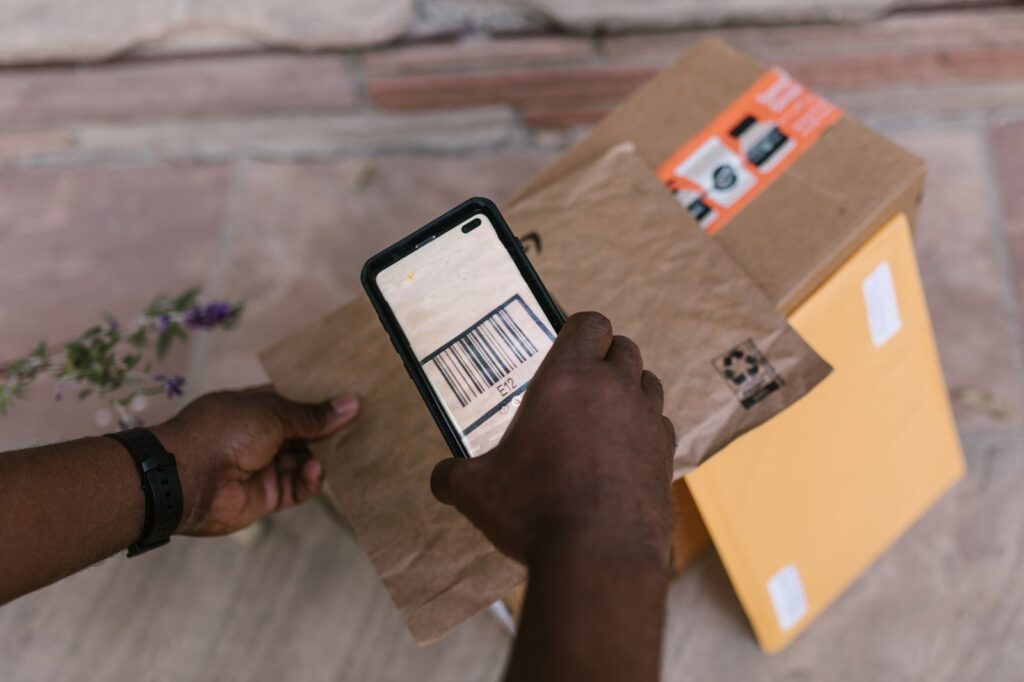
A mixed-SKU pallet needs two maps: one showing the physical cartons and another showing which products and quantities are inside them. Build both before the pallet is wrapped for Costa Rica. The outer label can identify the whole load, but it cannot tell the receiver whether two nearly identical fittings were delivered in the correct quantities. A warehouse can receive the expected number of packages and still be short of the only item that matters to a customer.
Trace a Single Order Through the Build
Suppose you are shipping thirty small valves in three sizes. The supplier sends ten of each. You plan five inner cartons of six valves each, and one of them contains two sizes. Record the exact split in that carton; do not mark all five as “six valves.” Keep the supplier’s item code and your own sales code in separate columns if they differ. Ask the receiver to compare one sample against a product description or label before stocking it. That prevents a correct physical count from turning into an incorrect warehouse balance.
Choose an arrangement that respects both product protection and identification. A carton that should not bear weight may have to sit above sturdier stock. The first item needed at destination may be near the bottom for a sound packing reason. Put that fact in the map instead of moving it to an unsafe position. Photograph the layers as they are built and mark which side the receiving team will see first. Record the final external size and weight once protective materials are in place.
Make Shortage Reporting Specific
An effective exception record might say “Pallet P2 received sealed; carton C4 contained four of code V10 and two of V12; manifest expected six of V10.” That is far more useful than telling the vendor the pallet was wrong. It gives the supplier a place to check and distinguishes a substitution from a short shipment. Retain the packaging label and relevant photo until everyone agrees how to resolve the difference. Avoid posting a customer credit or replacing an entire order until the team has checked the other mixed cartons.
Build a Packing Map a Receiver Can Actually Use
Give each product line its own row with item code, plain-language description, quantity per carton and carton identifiers. Check one unit in the carton against the list, particularly when neighboring codes differ by size, finish or connector type. If a carton contains a mix, attach a contents record and identify it as mixed on the outer label. Keep totals by item code as well as a total carton count. A receiving team may otherwise confirm that the number of cartons is correct while missing a short delivery of a specific part. Share the final packing map before arrival so staff can reserve a suitable counting area and arrange any required equipment.
Reconcile Units at the Right Level
Begin with the units the driver or warehouse actually hands over. A sealed pallet containing twelve cartons is one handling unit with twelve expected inner pieces. Record its identifier and visible condition first. Count cartons when the wrap can be removed in an appropriate area, then check the units inside each carton against the packing list. Put discrepancies at the level where you observed them. A shortage inside a sealed carton is different from a carton missing from an open pallet. Keep the associated labels, photos and documents together and ask the responsible party about its reporting process. Accurate counts give that party somewhere specific to begin its investigation.
Keep Partial Arrivals Visible on Paper
Make separate columns for expected, actually received and still outstanding. Count against the original reference even if a supplier splits an order across two deliveries. If ten pieces are expected and six arrive, record exactly which six and leave the other four open. A note saying “shipment received” can conceal a shortage until much later. Keep copies of individual handover receipts and ask for a consolidated record when the final pieces come together. If an extra package appears, quarantine it on the list as unidentified until the sender confirms its contents. Do not assign it to the nearest missing line just because the carton sizes look similar. Confirm whether consolidation changes the final piece count.
Give Every Piece an Identifier That Survives a Change of Address
A box number is more dependable than a room name. People change their minds about where something belongs, and two rooms can both be called the office. Give each shipping unit a permanent identifier and record its destination in a separate field. Label two adjoining faces so one mark remains visible against a wall. If a carton goes inside a crate, record that relationship before closing the crate. At delivery, count the outer crate once and check its inner cartons when it is opened. Otherwise the receiving list can appear short even when everything has arrived. Test with three pieces before labeling the whole shipment. Ask someone who did not pack them to locate one specific item using only your list.
Make the Measurement Reproducible
Record the unit, measurement method and whether packaging was included. “About 20” can mean kilograms, pounds, an unpacked item or a carrier’s limit. If you use a household scale for planning, label the result as an estimate and check it against a known object before relying on it. Ask the carrier how and where final measurements are taken. For several similar pieces, measure one fully packed example, then check a heavier example to see how much they vary. Averages help build a budget but can hide an individual piece that needs different handling. Send both the total and the largest single-piece figures when discussing collection or delivery equipment.
Give the receiver a one-page key linking the pallet number to carton identifiers and their expected quantities. If one carton contains mixed items, identify that carton separately. Otherwise a scan that correctly counts every outer carton can mask a shortage of one item and an overage of another inside the same shipment.
For help with this shipment, review our commercial freight services or request a written shipping quote.