
Sending Supplier Orders Directly to a Freight Consolidator for Costa Rica
Dan Chambers · November 27, 2026
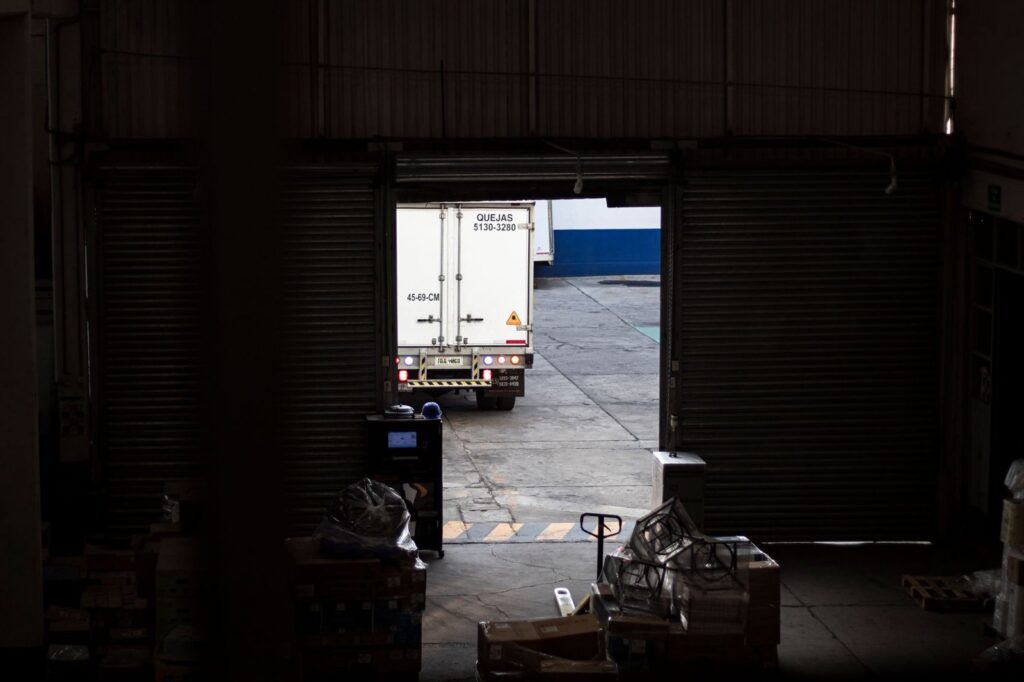
If several suppliers are sending purchases to a consolidator for Costa Rica, give each order a receiving identity before any truck leaves. Confirm the warehouse address, its acceptable delivery method, its appointment rules and the exact account or reference it uses to recognize your goods. Then track each order until the warehouse confirms receipt under that reference. A vendor’s “shipped” email is the start of this process. It does not tell you whether your cargo is ready for consolidation.
Build an Order Board a Warehouse Can Reconcile
Set up separate rows for vendor, order number, expected carton or pallet count, item description, tracking reference, promised arrival and warehouse acceptance. Give every row a final column for the action if it misses the cutoff. For instance, a business may allow replacement handles to travel on the next consolidation but require control units to wait for matching cables. Agree that decision with the person paying for freight before the warehouse has to make a time-sensitive choice.
Picture a supplier that sends order 51 in two parcels with different tracking numbers. The first arrives under the company name and the second under an employee’s name. That small difference can strand a parcel in an unidentified-goods area. Ask the vendor to place the assigned reference on both packages and to send both tracking numbers. If a package is already on the way, notify the warehouse with enough detail to match it. Confirm any authorization or cost for identifying and relabeling goods.
Set a Release Rule for the Complete Shipment
Tell the warehouse whether it should wait for all orders, seek permission when a named order is late, or follow another explicitly agreed plan. Ask when storage or additional handling may start and who should receive a warning. Avoid sending an instruction such as “ship as soon as possible” if it could split products that belong together. Before final release, ask for a count of the finished shipping units and enough evidence to connect them to the supplier orders. Keep that final packing map available to the receiver in Costa Rica.
Give Vendors the Consolidator’s Exact Receiving Reference
Ask the receiving warehouse which name, order reference and address format it expects on each arrival. Supply those details to the vendor in writing and ask for a label photo before dispatch. For multiple suppliers, assign a separate reference or subreference to each order as the warehouse permits. Keep supplier tracking and warehouse acceptance in separate columns. A parcel carrier’s delivered scan can help locate a drop, but it does not by itself confirm the warehouse matched it to your file. Ask what record the warehouse issues after receipt, how it handles unmarked goods and who can authorize repacking, consolidation or dispatch.
Build the Schedule Around Handovers
List the earliest time each party can actually perform its step and the latest time the next party can receive the goods. A facility’s opening time may differ from the first loading appointment. A dock that closes at four may stop accepting new arrivals earlier. Ask who books the slot, who releases it if the preceding step slips and when the next usable appointment would be. Keep a contact for the day itself, especially if the person arranging the quote works different hours from the receiving crew. Describe any dates on your worksheet as confirmed, requested or estimated. The distinction matters when one late pickup could affect several appointments further down the route.
Keep Partial Arrivals Visible on Paper
Make separate columns for expected, actually received and still outstanding. Count against the original reference even if a supplier splits an order across two deliveries. If ten pieces are expected and six arrive, record exactly which six and leave the other four open. A note saying “shipment received” can conceal a shortage until much later. Keep copies of individual handover receipts and ask for a consolidated record when the final pieces come together. If an extra package appears, quarantine it on the list as unidentified until the sender confirms its contents. Do not assign it to the nearest missing line just because the carton sizes look similar. Confirm whether consolidation changes the final piece count.
Build a Packing Map a Receiver Can Actually Use
Give each product line its own row with item code, plain-language description, quantity per carton and carton identifiers. Check one unit in the carton against the list, particularly when neighboring codes differ by size, finish or connector type. If a carton contains a mix, attach a contents record and identify it as mixed on the outer label. Keep totals by item code as well as a total carton count. A receiving team may otherwise confirm that the number of cartons is correct while missing a short delivery of a specific part. Share the final packing map before arrival so staff can reserve a suitable counting area and arrange any required equipment.
Ask for a Revision That Identifies What Moved
Keep both versions of the estimate and compare them line by line. A new total alone cannot show whether the difference comes from dimensions, an additional service, a changed destination or a previously excluded amount. Ask the provider to mark the revised input, the affected line and the date the change was accepted. If a price remains an estimate, keep that qualification beside it. One change can remove a cost as well as introduce one, so check for credits such as a pickup that you will now arrange yourself. Before instructing the provider to proceed, send back a short recap of the accepted scope and ask who should receive subsequent changes.
Ask each supplier for the dispatch reference it will print on the outside, and pass that exact text to the warehouse. Your internal order nickname may never appear on a delivery label. A small table matching supplier name, outside reference and expected carton count gives the receiver three ways to identify a delivery.
For help with this shipment, review our commercial freight services or request a written shipping quote.