
How to Quote a Low-Clearance Car for Shipping to Costa Rica
Dan Chambers · November 27, 2026
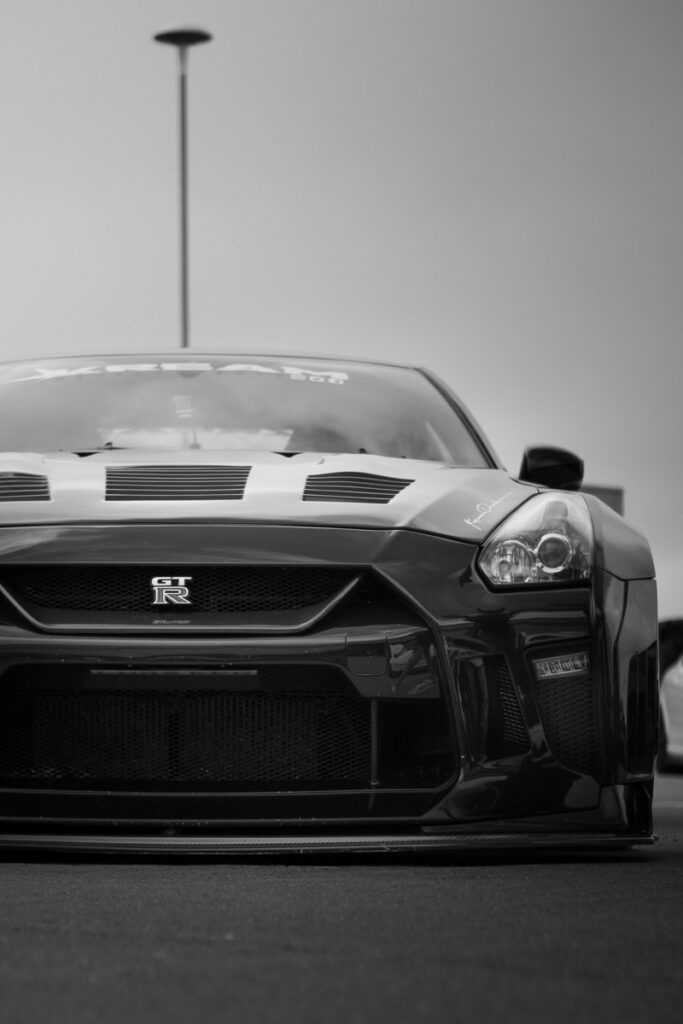
A low car can have enough clearance to drive on a level street and still be unsuitable for a particular transporter or pickup entrance. Before shipping a low-clearance car to Costa Rica, give the carrier a side profile, the lowest visible fixed points, the front and rear overhangs and photographs of both collection and delivery access. Ask for a loading assessment for your actual vehicle. Its length and weight alone cannot describe how its bodywork approaches a change in slope.
Explain What Makes Your Particular Car Low
Identify the make, model, model year and trim, then describe the vehicle as it sits today. A factory sports package, aftermarket splitter, longer exhaust tip or replacement wheels can make two cars with the same registration description behave differently at a ramp. Tell the carrier about any changes you know of. If you acquired the car with its current setup and do not know what was modified, say so and provide recent pictures.
Record measurements on a level surface from accessible positions outside the vehicle. Note the unit, where the measurement was taken and the condition of the car at the time. Do not crawl underneath, lift the vehicle or attempt a loading trial to obtain a number. If an important point cannot be measured safely, ask a qualified shop or the carrier to assess it. A clearly identified unknown is more useful than a confident figure taken at the wrong point.
Photograph the Profile the Driver Needs
Stand far enough back to show the whole side of the vehicle, with the camera near body height. Take separate views of the front lower edge and rear lower edge and identify any projecting pieces. If a ruler can be placed safely alongside an accessible edge, show the scale and the point being measured in one image. Avoid a dramatic wide-angle shot taken inches from the bumper. It can exaggerate a projection without giving the assessor a usable reference.
Identify where each wheel sits relative to the ends of the body. The distance beyond the front wheel matters when the nose reaches a rising ramp, and the distance behind the rear wheel matters as the car leaves a change of grade. The middle of a long vehicle can raise a different question at the crest. You need not calculate a safe angle yourself. Give the operator enough information to decide what equipment and route are suitable.
Include the Driveway and Street Transition
Photograph the approach from the street, the change at the curb and the surface where the vehicle normally stands. Include speed humps, ramps to underground parking and any turn that requires a long transporter to swing out. Explain whether the street has room for a truck to stop lawfully without blocking the entrance. If your building restricts commercial vehicles, ask the manager for the designated collection area and any appointment requirements.
For illustration, imagine two cars with the same measured clearance under the front bumper. One has its wheel close to the nose, while the other’s bumper projects considerably farther forward. A driveway with an abrupt change of slope can present different problems for each car even though the two clearance numbers match. A single photograph of a ruler at the bumper cannot settle the question. A side view of the car and a side view of the transition let the transporter assess them together.
Ask for Two Collection Options Where Practical
Put home pickup and an alternative accessible handover point on the same inquiry. Ask the carrier to identify the proposed equipment, who selects the handover location, whether a separate local move would be required and how it changes the written total. Obtain the property owner’s permission for any proposed alternative. A nearby parking lot may appear suitable from a map and still have raised entrances, private restrictions or no room for the transporter to exit.
Confirm who is responsible for moving the car to that location. If the vehicle is not legally or mechanically ready to be driven, disclose that separately. Do not let a discussion about clearance conceal an entirely different issue about operability. If the transporter recommends a specialist, ask whether that specialist will collect the vehicle directly or only handle a transfer at a later stage. Each extra handover should have an identifiable party, location and condition record.
Repeat the Check on the Costa Rica End
The origin team may solve loading only to meet a different obstacle at delivery. Ask the recipient for photographs of the final approach, especially a steep driveway, drain crossing, ramp into a garage or sharp crest from the road. Describe where the vehicle can be safely handed over if the final driveway cannot be approved. Confirm whether the proposal includes delivery to that point and how the receiver is expected to accept the vehicle there.
Prepare a condition record concentrating on exposed lower edges while keeping the whole car visible in separate photographs. Include existing scrapes, flush fittings and projecting trim. At handover, note the access limitations already agreed and check that the arriving equipment matches the confirmed plan. If the situation differs materially, contact the coordinator before loading begins. The person operating the equipment should determine whether the job can proceed safely, rather than feeling pressure to improvise because an appointment was booked.
Your Costa Rica car shipping quote request should end with a specific question: can the proposed provider accept this car in its documented condition at these two locations, and what changes if either entrance is unsuitable? Include final vehicle dimensions, the photo set and a way to reach the person who can clarify the measurements. A written response to that question is worth more than a general assurance that the company frequently carries sports cars.