
What to Measure Before Shipping Household Goods to Costa Rica
Dan Chambers · November 27, 2026
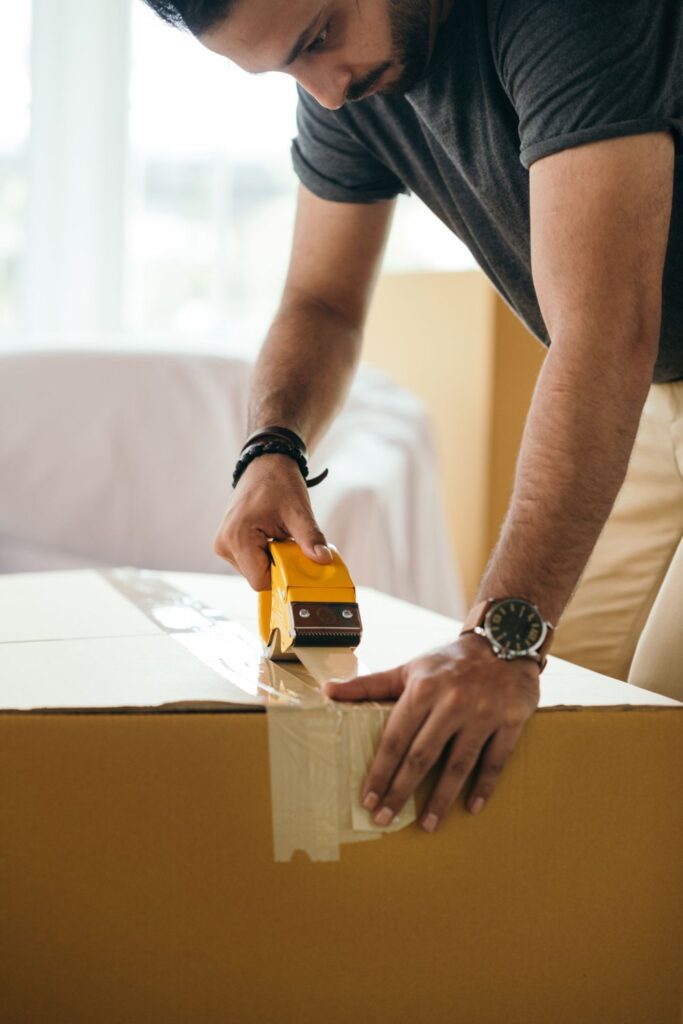
Before you ask for a household shipping quote to Costa Rica, measure three things: the goods after packing, the route out of your current home and the approach to your new front door. A sofa can fit inside a container and still fail to fit around the stair landing at either end. Ten large cartons can take up much less space than a single upholstered chair that needs a crate. A few measurements, photos and honest unknowns will give a shipping coordinator a better starting point than a guess based on the number of bedrooms.
Make a List That Follows the Goods
Walk through one room at a time with a tape measure and a phone. Give large pieces simple names you will recognize later, such as “blue sofa, living room” or “glass top, dining table.” Separate what you are taking from what you are selling or leaving with family. Record uncertain items in a separate column. If you price two versions of the move, you can then see what changes when the dining set stays behind without drawing up the whole list again.
Use one row for identical cartons and a separate row for anything unusually heavy, fragile or awkward. Six same-size boxes of books and six boxes of pillows may have identical dimensions, but a crew needs different information about lifting and stacking them. Record what each group contains, how many cartons there are, and whether the count is final. On an unpacked room, label the entry as an estimate and give the date you expect to replace it with a count.
Measure the Outside of the Packed Item
For a closed carton, measure the longest side, its width and its height. Include the lid, handles or a bulging side if any extend beyond the box. Write the unit next to every figure. For furniture, note whether legs, shelves and cushions come off and whether you intend to remove them. A bare tabletop measured before its protective wrap goes on is an estimate of the item itself. Ask the packer for the finished crate dimensions if the quote depends on them.
Here is a worked example. Twelve cartons measuring 50 by 40 by 40 centimeters occupy 0.96 cubic meters before palletizing. Convert each dimension to meters, multiply 0.50 by 0.40 by 0.40, and multiply the result by twelve. If the cartons are strapped to a pallet, ask whether the provider wants individual carton measurements or the dimensions of the finished pallet. Counting both as separate pieces would overstate the shipment. Weight, handling and the ability to stack other cargo still matter.
Check What Changes When Furniture Comes Apart
A bed frame illustrates why “disassembles” needs an explanation. Side rails may bundle neatly while the headboard stays in one large piece. Measure the longest rigid component and the widest one after disassembly. Label the bag of hardware with the same identifier as the frame. Photograph where a bracket sits before removing it. If the crew is expected to take the bed apart or put it back together, ask to have that work identified on the written estimate.
Compare two versions for a fragile piece. One might keep a mirror in its original protective packaging. The other might require a custom crate. Tell the coordinator which version you measured, who will supply the protection and where packing will happen. Resist guessing that another box can sit on top of the mirror. A photo and a written description let the packer explain how it can travel and whether a different position or container changes the estimate.
Trace the Route from the Room to the Truck
Open doors as far as they actually go and measure the clear opening between the door and the opposite jamb. Take a second measurement anywhere the route turns. A deep sofa approaching a sharp turn needs space to rotate. A tall cabinet may need overhead clearance when tilted. Note elevator openings and interior dimensions separately. A service elevator reservation, a loading dock appointment or a curb where the truck cannot wait can change the pickup plan even when every item fits.
Do the same exercise at the Costa Rica address if you have access. If you are still abroad, ask the owner or property manager for photos looking both toward and away from the entrance. Find out where a vehicle may legally stop, how far the crew would carry goods, and whether stairs follow the final parking point. Give the coordinator a map pin and a written description. A pin locates the building but cannot show a low gate, steep bend or long footpath.
Turn the Measurements into a Quote You Can Use
Imagine comparing two moves from the same apartment. In the first, a driver can stop at a level loading door and the cartons are ready in one room. In the second, everything is upstairs and the collection vehicle must stop down the street. The volume is identical. A quote covering only collection from a loading area may leave important work unpriced in the second case. Ask each provider where its responsibility begins and ends, then write the answer beside the estimate.
Send one dated inventory to each provider. Include photos of the three hardest pieces to move and a short note explaining any estimated dimensions. Ask what would trigger a revised quote, when the final measurement is taken, and who will confirm it. If you add a patio table after sending the list, update the version and send the change to everyone using it. Keep the previous version until the provider acknowledges the revision so you can trace differences in the written scope.
Before pickup, put labels where they can be read with the cartons stacked and keep your own copy of the inventory outside the shipment. At delivery, those same identifiers let you direct the kitchen cartons to the right room and recognize a missing piece without opening every box. The work you put into the first measurement becomes useful a second time at the other end of the move.
Explore our household goods shipping service for your move.