
Shipping a Pallet to Costa Rica: How to Describe It for an LCL Quote
Dan Chambers · November 27, 2026
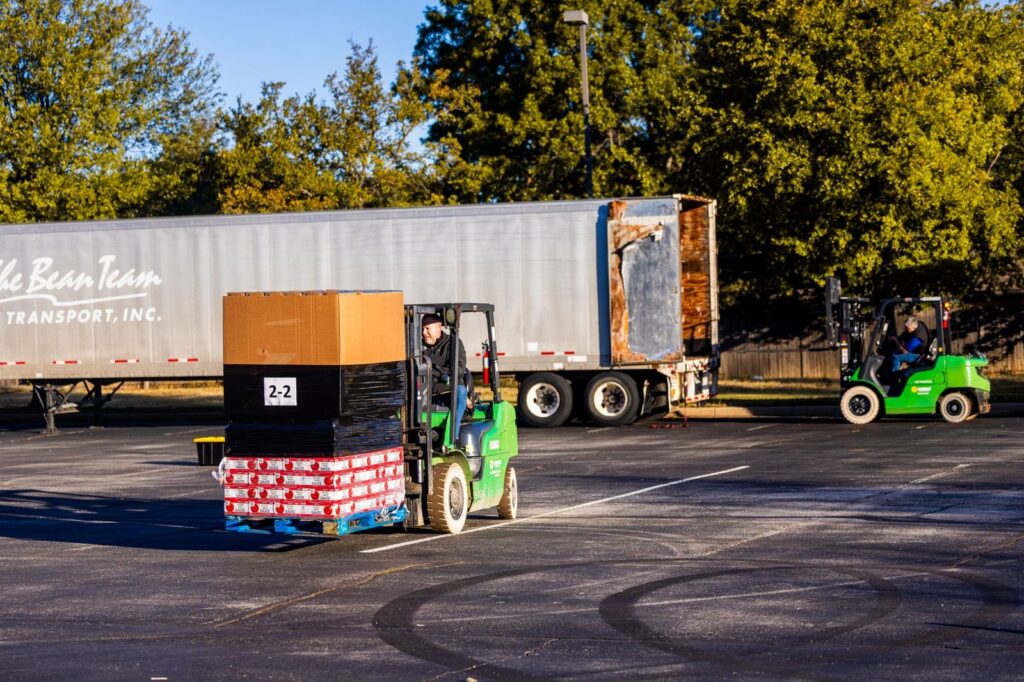
For a less-than-container-load quote to Costa Rica, describe your pallet as it will be handed to the carrier. Give the finished length, width, height and gross weight, describe the goods in everyday language, and say whether another load may safely sit on top. Then explain where the pallet will be picked up and received. “One standard pallet” leaves unanswered questions about space, handling equipment and access at both ends. If your load is still being assembled, mark your figures as provisional and arrange to send a final set.
Measure the Finished Footprint
Measure the longest and widest points of the complete load, including the pallet base, wrap, edge protectors and anything that projects past the deck. For height, start at the floor and measure to the highest point of the packed freight. A crate sitting on a pallet includes the height of both. If a single carton protrudes, photograph it from the side and above. Ask the packer whether it should be repositioned before pickup. A nominal pallet size may understate the space that the finished freight needs.
Consider two loads on identical bases. The first measures 120 by 100 by 100 centimeters after wrapping, and the second is 150 centimeters high. Their volumes are 1.20 and 1.80 cubic meters respectively. The extra height increases the second load’s measured volume by half even though it occupies the same floor space. That arithmetic is useful for describing a shipment. It cannot establish its freight rate. The provider also needs weight, handling information and the terms that apply to the route.
Record the Weight You Actually Have
Give gross weight for each finished unit, including the pallet and its protective materials. If a supplier only gives you the net weight of the merchandise, say so. Ask where the pallet can be weighed and whether the provider will accept a documented estimate for an initial quote. Never label an estimate as a scale reading. A receiver arranging equipment at the other end should know which figure they can rely on and whether they still need a final weight before delivery.
For more than one pallet, identify each individually. “Two pallets, total 600 kilograms” could mean two similar loads or one 500-kilogram machine and a light pallet of supplies. Number the pieces and record dimensions and weight against each number. Use the same numbers on your inventory, photographs and handover paperwork. If the contents change during packing, it is much easier to revise the entry for pallet two than to reconstruct an entire mixed shipment after the truck has left.
Explain What Can Go on Top
Stackability is a practical handling question. Describe the top surface, the packaging beneath it and any instructions supplied by the manufacturer or packer. Tightly wrapped cartons can still have a fragile top layer. An oddly shaped machine may have a level-looking cover that cannot carry another load. If you do not know whether the unit is stackable, say that it needs review. Send photos and ask which information the carrier needs before it can price or accept that arrangement.
A small business sending replacement parts offers a good example. Sturdy boxed fasteners might sit below instrument panels with delicate connectors. Putting them on one pallet may save handling at your shop, but the top cartons may need protection and must remain identifiable on arrival. Ask your packer to weigh the benefits of a protected single unit against two separately described loads. Keep the packing decision separate from the freight quote so both providers are pricing the same final configuration.
Describe the Goods and Receiving Arrangements
Use descriptions that would make sense to someone opening the shipment for the first time. “Eight cartons of replacement pump housings” tells the coordinator more than “parts.” Indicate whether packages contain liquids, batteries or other components that need the carrier’s attention. Share manufacturer details when requested and ask for acceptance instructions before packing an uncertain item. An inventory prepared for a freight estimate is a starting point for that conversation. Ask the broker which descriptions and supporting records are required for the actual entry.
Find out how the pallet gets from the floor of the pickup site onto the collecting vehicle. A commercial address with a dock and forklift presents a different job from a house where the load sits in a garage. Tell the provider whether a liftgate, pallet jack or loading appointment may be necessary. Check the surface leading to the truck. A pallet jack that works on a smooth warehouse floor may be impractical on a gravel drive. Ask who is responsible for moving the load to the agreed handover point.
Repeat those questions at destination. For example, an importer receiving supplies near a beach town may have easy highway access but a narrow final lane and no place for a large truck to turn. Ask the receiver for a map pin, an entrance photo and the name of someone who can coordinate unloading. Clarify whether the quote ends at a warehouse, at the curb or at a specific door. If a smaller vehicle or a second unloading crew is needed, ask who will arrange it and how it will be priced.
Send a Quote Packet That Can Be Checked
Put the route, pallet table and photographs in one dated message. Include the earliest pickup date, any fixed receiving hours and which dimensions or weights are estimated. Ask the provider to identify the services included in the estimate, possible remeasurement charges and the point where its delivery responsibility ends. When the pallet is wrapped and ready, send an updated photo with its identifier visible. Request acknowledgment of any change in size, handling or access before dispatch.
Keep a copy of that final message at the receiving end. When the freight arrives, the receiver can compare the identifier, visible packaging and number of pieces against the record. If something differs, they can describe the specific discrepancy and ask the carrier how to record it. A clear quote packet therefore does two jobs. It helps the provider price the freight you intend to ship and gives the person in Costa Rica a practical reference for the freight that actually arrives.
Explore our shared container and pallet shipping service for your move.