
How to Inventory and Ship a Dinner Service to Costa Rica
Dan Chambers · November 27, 2026
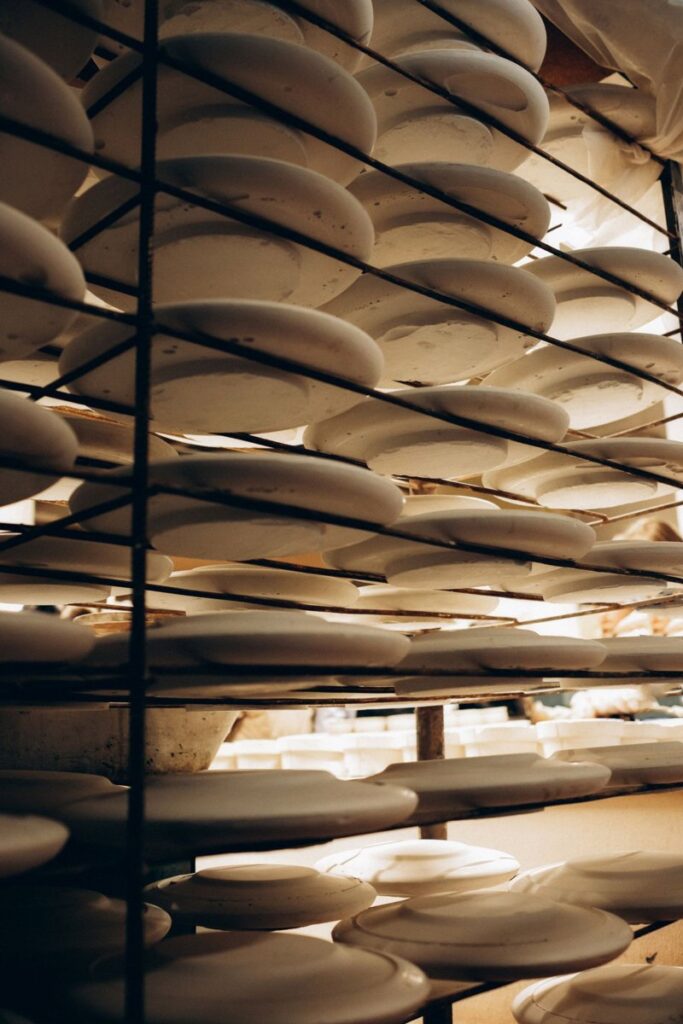
If you are moving a dinner service to Costa Rica, count it by piece before you request packing. “Three boxes of dishes” tells a crew what it might handle. “Eight dinner plates, seven side plates, six cups and one platter with a repaired handle” tells everyone what should turn up at the other end. A good dish inventory fits on a single sheet, takes account of pieces you have already lost and gives the packer a chance to flag items needing individual attention.
Decide What Makes the Set Worth Moving
Lay out one place setting and photograph it in good light. Look for a maker’s mark underneath, a pattern name or a distinctive detail that would help you locate a replacement. Do the same for serving pieces whose designs differ from the plates. If the choice is between a family set and ordinary everyday dishes, start with the family set. Counting every plate in the kitchen before deciding what you want can turn a straightforward selection into an afternoon of unnecessary work.
Consider how you will actually eat after the move. A household that usually entertains four guests may want six matching settings and two favorite serving bowls. Another family might care most about the platter used on holidays, even if none of the cups make the trip. Price the practical replacement and consider the emotional value separately. A treasured plate may justify individual packing even when the cost of moving a cupboard full of other dishes would be hard to defend.
Make the Count Useful to Another Person
Use a table with columns for pattern, type, count, existing damage and eventual carton number. “Blue floral, dinner plate, eight, one rim chip” is more useful than “blue dishes, assorted.” Give the chipped piece its own photo. Record cups and saucers separately because one can survive without its partner. Count a tureen and its lid separately for checking, but link them under the same set reference. Write down whether the handles are integral or separately attached.
Take group photographs while the count is visible. Arrange items in small groups instead of photographing the top plate of a stack. Turn one plain piece over to show its mark, then take close views of the serving pieces. A ruler beside the largest platter helps the packer understand why a standard carton might be unsuitable. Keep the originals in a folder named for the service. Do not rely on a compressed image forwarded several times to show a faint hairline or old repair.
Ask the Packer About the Awkward Pieces
Share the count and photographs before picking boxes. Ask who supplies the cartons, how the dishes will be separated and what the packer proposes for projecting handles or delicate lids. A stack that sits neatly on a kitchen shelf can shift once it leaves the house. Request an explanation of how pieces are kept apart and how voids are filled. For unusually delicate or valuable pieces, ask whether a specialist should assess them before committing to a packing method.
If you pack part of the kitchen yourself, mark those cartons separately from professionally packed items. Ask how the difference is recorded in the proposal and what the written coverage terms say about owner packing. Keep the answer with the estimate. The point is to know who can speak to the condition inside a closed carton. A mover collecting a sealed box might be able to record its outside appearance without having seen a single plate.
A Count That Reveals a Problem Early
Consider an illustrative inventory of ten dinner plates, ten side plates, nine cups, ten saucers, a bowl and a platter. That is forty-two separate pieces. Someone describing the collection as ten complete settings could mistakenly expect a tenth cup at delivery. Put the nine cups on the sheet and note the missing cup before packing begins. If the box holding four of those cups is opened last, the count still makes sense without relying on anyone’s memory.
Suppose carton K1 contains six dinner plates and four side plates. Carton K2 contains the remaining four dinner plates, six side plates and ten saucers. The packer puts the cups and serving pieces into additional packages according to their protection requirements. This is a counting example, not a suggested carton load. Individually record what went into those additional packages before closing them. The completed sheet should add back to forty-two, regardless of how many cartons the packer actually chooses.
Set Up a Receiving Spot Before Unpacking
At the Costa Rica address, choose a clear table where opened pieces can stand safely. Put the inventory there and have one person mark the sheet as another unwraps. Keep paper and inserts from different cartons apart until their counts agree. A saucer can remain in a fold of packing paper long after the carton appears empty. If the kitchen cabinets are still being installed, arrange a temporary secure shelf before the dishes arrive.
If you find a newly broken piece, pause on that carton. Record its identifier, photograph how the piece and surrounding packing appeared, and note the other pieces you can identify. Follow the written notification process applicable to your shipment. Do not discard material until you know whether inspection is required. Keep an unresolved count separate from confirmed breakage. An unopened carton can explain a missing cup, but it cannot explain a photographed broken handle.
For a useful estimate, send the item count, the largest fragile dimensions, origin and destination access, and a note explaining which pieces need specialist attention. Specify whether you want kitchen unpacking, removal of used materials or simply delivery of sealed cartons. Those are different amounts of work. The packing guide for Costa Rica shipments can help you organize the rest of the kitchen around the pieces you have chosen to keep.