
How to Prepare a Storage Unit for an Overseas Moving Crew
Dan Chambers · November 27, 2026
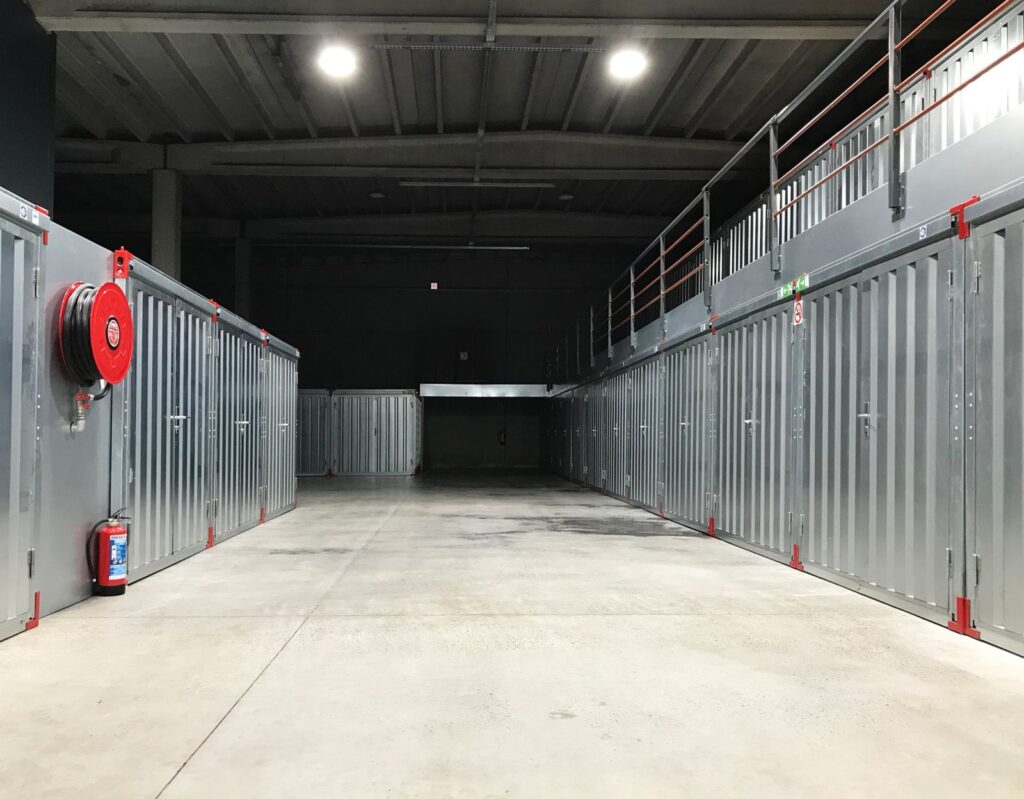
A storage unit is a pickup location with rules, obstacles and a lock. Before asking a moving crew to collect goods for Costa Rica, establish exactly which items it may remove, how it will reach them and who will be there to release them. A storage invoice and a photo of a closed door are insufficient. The most useful early work is a supervised visit that produces an inventory of the actual contents and a practical route back to the truck.
Inspect the Unit Before Putting a Date on the Calendar
Start outside the facility. Note whether the unit opens directly onto a drive, sits behind a pedestrian door or is upstairs behind an elevator. Ask about gate hours, vehicle clearance, check-in procedures and whether crews may use facility carts. Count the distance between the unit and an approved loading position in a way that conveys effort. Describing three corridors, two fire doors and one lift tells a coordinator more than saying “short walk.” Keep gate credentials off the public quote form.
Inside the unit, identify what cannot be seen from the front. A cabinet behind shrink-wrapped furniture might be empty, filled with family papers or too fragile to move without packing. Open only things you have authority to inspect. Record obvious condition issues before handling and ask the packer about goods whose old packaging has softened or split. A box designed for a quiet shelf may need replacement before it is stacked for an international journey.
Decide Who Signs Off on an Empty Space
In a worked example, ten cartons go overseas, three pieces go to a relative and a desk stays temporarily in the unit. The overseas crew should sign for the ten cartons, while the relative acknowledges the three pieces separately. The storage unit is still occupied by the desk. Keep that fact on your checklist until someone removes it and the facility accepts the unit back. A shipping pickup does not by itself close a storage agreement. Get the facility’s instructions directly and retain its written confirmation after the last piece leaves.
Arrange Lawful Entry and a Clear Working Area
Ask the facility manager who can open the unit, whether an appointment is required and what rules apply to a commercial moving crew. Confirm where a truck may wait while paperwork is checked. Never assume an access code is permission to let someone else remove the contents. Walk the route in advance and identify any locked corridor doors, shared lifts or restrictions on staging goods outside the unit. If things belonging to someone else remain inside, separate and identify them before the crew arrives. A simple photo showing the agreed boundary is useful. Check the unit after loading and keep the facility account open until you know who is responsible for the final inspection and keys.
Check the Lift as a System
Measure the clear doorway, interior depth, usable width and headroom. Ask building staff for the posted load limit and any protective measures required for moving. Record the space occupied by a cart or dolly as well as the item itself. A piece can fit inside the car but fail to make the turn from the corridor into the opening. Check the approach on both floors and identify where doors must remain clear for other residents. Find out whether the reservation gives exclusive use or whether the crew must share the lift. If there is a loading time limit, plan where an incomplete load can wait with permission when the reservation ends.
Make a Path Through the Stored Goods
Photograph the open unit before rearranging anything. Identify the goods at the back that must go, the items near the door that must stay and any piece that needs two people or equipment. Ask the facility where a temporary staging area is allowed. Clearing an aisle can otherwise mean putting furniture in a shared corridor that must stay accessible. Move small loose pieces into labeled containers before expanding the inventory. Keep a list of cartons that were opened and repacked, especially if their old numbers are still visible. At the end of the session, take a new photograph from the same position. It gives the collection crew a realistic picture of reach, stack height and working room.
Build the Schedule Around Handovers
List the earliest time each party can actually perform its step and the latest time the next party can receive the goods. A facility’s opening time may differ from the first loading appointment. A dock that closes at four may stop accepting new arrivals earlier. Ask who books the slot, who releases it if the preceding step slips and when the next usable appointment would be. Keep a contact for the day itself, especially if the person arranging the quote works different hours from the receiving crew. Describe any dates on your worksheet as confirmed, requested or estimated. The distinction matters when one late pickup could affect several appointments further down the route.
Give the Local Contact a Narrow, Useful Brief
Agree in advance what the person on site may decide and when they must call the owner. Being present to open a building, release a car or count packages does not automatically authorize accepting a new charge or changing a destination. Put the pickup reference, agreed task, contact numbers and escalation route on one page. Ask the provider whether it requires a particular authorization and how it should be supplied. Do not send keys, gate codes or identification in a broadly shared group message. After the handover, have the local contact send the signed record and a brief note about anything unexpected. That gives the owner the same facts as the people who were present.
Ask the storage manager where the truck can stand while a unit is emptied. The front entrance, gate and unit can be three different places. A short walk for a person carrying a key can become a long series of trolley trips for a crew. Put the distance and any ramp or gate on the collection sheet.
For help with this shipment, review our household goods shipping or request a written shipping quote.