
Shipping a Trade Show Booth to Costa Rica: Plan for Setup and Return
Dan Chambers · November 27, 2026
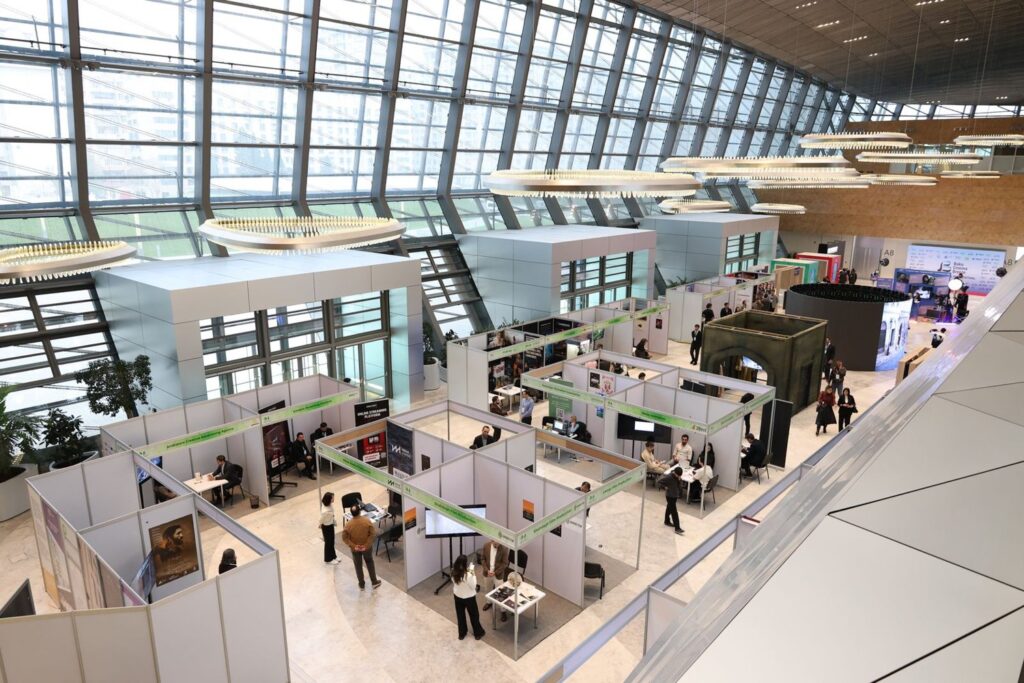
For a trade show in Costa Rica, plan backward from the hour your team must begin building the stand, then plan forward through teardown and return. A carrier can deliver on the correct calendar date and still miss the venue’s unloading appointment. Equally, a booth can open on time and become expensive to recover if nobody arranged collection after the hall closes. Build a two-way plan before choosing which pieces to ship and which to hire or produce locally.
Divide the Display by What Happens After the Show
Start an inventory with three groups: equipment expected to return, material expected to stay, and supplies expected to be used or given away. Rental counters, display frames and demonstration hardware may belong in the first group. Printed brochures, sample packs and giveaways may belong in another. Record ownership as well as the intended outcome. Your company may own a printed graphic but owe the reusable frame back to a rental company on a specific date.
Ask the Costa Rican customs professional handling your event to review that itemized list before anything ships. The U.S. International Trade Administration’s introduction to temporary imports explains why intended use and documentation matter for exhibition goods. It does not establish that a particular procedure or document applies to your Costa Rican event. Obtain the applicable treatment, deadlines, records and return steps for your goods from the responsible parties before building a budget around temporary entry.
Get the Venue’s Receiving Instructions in Writing
Ask the organizer for its exhibitor manual and the contact who manages freight at the actual venue. Record whether deliveries go directly to the hall, an appointed handler or an advance warehouse. Get the correct receiving address, case-label format, booth number and hours for that location. A street address printed on a visitor ticket might take a truck to a passenger entrance. Ask who can sign if your own team is still traveling and what happens to an early arrival.
List the separate stages after the freight reaches the address. Someone may need to unload, move cases to the stand, remove empty cases and return them after the event. Ask which services the organizer supplies, which must be ordered and which charges appear outside the international freight quote. Request the same details for evening or weekend teardown. A plan that assumes crew access after the hall closes can fail even if the freight company has vehicles available.
Build a Case Map Someone Else Can Use
Number the cases and put a large reference on more than one side where the handler permits. Keep a private master sheet showing outside dimensions, gross weight, contents, serial numbers where relevant and the person who checks each case. Mark the sequence in which the stand needs its contents. If the frame connectors are in the last case released, the team can have a hall full of graphics and still be unable to start building.
Imagine three cases for an illustrative exhibit. Case A holds the frames and connectors, B holds graphics and C holds a demonstration unit. Six cartons of printed material will remain with a local distributor. The outbound count is nine packages, while the intended return count is three cases. That difference should be visible in the inventory before dispatch. If the team later decides to leave a demonstration unit behind, refer the change to the customs professional before handing it to anyone.
Compare Shipping with Local Production
Ask a local vendor to price printing the graphics and hiring basic furniture. Compare printed dimensions, materials, color requirements, proof deadlines and the time needed to correct an error. International freight may still make sense for proprietary demonstration equipment or a stand whose appearance needs to match an existing brand design. Separate those decisions. Shipping the entire display by default can obscure an inexpensive local solution for parts with little reuse value.
For each option compare the complete round trip. Include origin preparation, outbound freight, destination handling, any venue charges, empty-case storage, return collection and re-delivery to the owner. Record who pays each amount and in which currency it is quoted. Put unknown figures on the sheet as open questions. A blank venue-handling cell can make a proposal look cheaper even though the organizer intends to invoice the exhibitor directly.
Make a Setup and Teardown Clock
Write down local dates and times for the final graphics proof, last acceptable warehouse delivery, earliest access to the stand, required opening time and final removal deadline. Identify which are contractual deadlines and which are your team’s preferred targets. Build a fallback version of the stand that could open with locally available materials if a case is late. Decide which contact can authorize local printing or equipment rental so the team does not have to find a decision maker during setup.
Appoint one person to release cases at teardown. Have that person check contents against the inbound case photographs, remove obsolete routing labels as instructed, apply the approved return labels and obtain a collection receipt. Arrange who keeps the empty packing materials during the show. A custom insert or dedicated case left behind in a storeroom can be difficult to replace after the exhibit contractor has moved to its next event.
Give the commercial freight coordinator the venue manual, case map, dates and intended return inventory. Ask for separate confirmation of delivery to the designated receiving point and movement from that point to the booth. On the way back, reconcile the signed case count with the return booking and the records required for the customs process agreed for the event. This closes the job with evidence of where the equipment went, instead of ending the shipping plan as soon as the exhibition doors open.