
How to Photograph a Car Before Handing It Over for Ocean Shipping
Dan Chambers · November 27, 2026
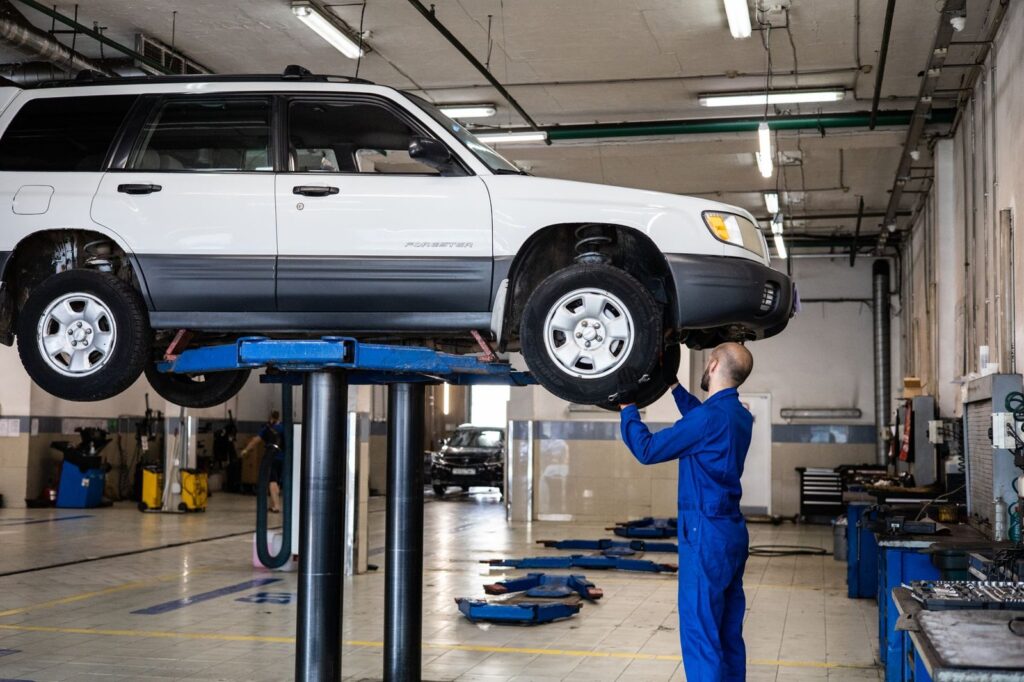
Take a car’s shipping photographs as a sequence someone else can repeat. Begin with full views, move closer to each panel, record existing marks and accessories, and link the files to the handover document. For a car being shipped to Costa Rica, the picture set can help an owner, collector and receiver describe the same point on the vehicle even if they never meet. It cannot determine liability or replace a carrier’s condition report. Use it alongside the provider’s actual inspection procedure.
Set Up the Car and the Record
Choose an authorized, safe location where you can move around the vehicle without stepping into traffic. If practical, photograph it in even light with surfaces visible. Do not polish away evidence of an issue or attempt a repair for the sake of the photographs. Open a folder for this handover and give the vehicle a reference the receiver will recognize. Keep sensitive documents, home addresses and people who do not need to be in the record outside the frame.
A useful test is the rear passenger-side door. Take a full side view that identifies the door, then a closer image showing a mark relative to a fixed feature such as a handle. When photographing a wheel, use the same corner naming convention every time. “Left” and “right” can be ambiguous when people face each other. Decide whether your labels follow the vehicle’s direction of travel and say so in the file index. Look at the actual images before leaving; a reflection of overhead lighting can obscure the very spot you intended to record.
Give the Receiving Person a Matching Sequence
Send the receiver an index that lists the expected views and any features needing attention. If they are collecting after dark or from a crowded area, ask the carrier ahead of time how its inspection procedure works under those conditions. Encourage the receiver to record what they can see at handover and to follow the written reporting procedure if something is unclear. Photographing a general view first can be especially valuable when a close inspection reveals a concern. Keep the original files with the dated condition document so later editing or messaging compression does not replace the primary record.
Make the Photographs Tell a Continuous Story
Take a whole-vehicle view from each corner before moving to individual panels, wheels and accessories. Include one photograph that connects a close-up to a recognizable side of the car. Check glare and reflections before leaving the pickup site. A photo of a scratch without context can be difficult to match to the same panel weeks later. Name the files by date and position, keep the originals and associate them with the carrier’s condition record. At the other end, repeat the sequence before the vehicle is driven away where the handover process allows. The goal is a fair comparison of visible condition at two identifiable points.
Make Key Custody Explicit
Ask how many keys or fobs must accompany the car and who receives them. Identify valet or limited-function keys if they exist. Keep household, storage and unrelated vehicle keys off the transport ring. Record the number handed over on the collection document and ask how the receiving party obtains them. If the vehicle needs special starting instructions, give the carrier an agreed way to use them without leaving account passwords or private access codes in the glove box. Check the plan with anyone acting on your behalf. At destination, count the keys again and ask the receiver to confirm that the correct set changed hands.
Protect the Surfaces You Will Later Need to Inspect
Look closely at the points where packing material, straps or another item could press against the surface. Photograph existing rub marks and describe them in neutral terms. Ask the packer how it will separate hard components from finished faces and prevent movement while the item travels. Mark which side must remain accessible for inspection. When opening the package, work where there is room to put removed materials down without stepping on them or dropping them onto the item. Compare the unpacked condition with the photographs before assembly or use creates new marks. If a concern arises, keep the relevant packaging and contact the party identified in the written instructions.
Read the Reporting Procedure Before Departure
Request the terms that apply to your particular goods, packing arrangement and route. Identify who provides the coverage, what evidence is requested, whether an excess or deductible applies and where the owner must report a concern. Ask the provider to explain any distinction between carrier liability and separately arranged coverage. Keep the dated documents together with the packing list and condition records. If someone gives a verbal assurance, ask where the same point appears in the written terms. For an unusual or high-value item, send a description and ask for a written answer specific to it. Only the provider can confirm what its offer actually covers.
Distinguish Permission to Collect from Proof of Receipt
Ask the provider what authorizes a particular person to release or collect the goods. Then ask what document will show what that person actually handed over or received. Those are different questions. A caretaker who can unlock a gate may have no authority to sign for an owner, and a signature on an appointment sheet may say nothing about the number of cartons. Share names and contact details directly with the responsible party, using its agreed process. At handover, retain a copy of the record showing the piece identifiers, date and any observations made at the time. If a signature is requested on a device, ask how the signer will obtain a readable copy.
Use a repeatable camera sequence so the delivery photos are comparable to the pickup set. Start with the same front corner, work around the vehicle and end with the odometer and keys. Keep an untouched copy of the originals and put annotations on duplicates. File the handover receipt with the pickup sequence.
For help with this shipment, review our vehicle shipping services or request a written shipping quote.